Your sustainable growth. Today, a better tomorrow.
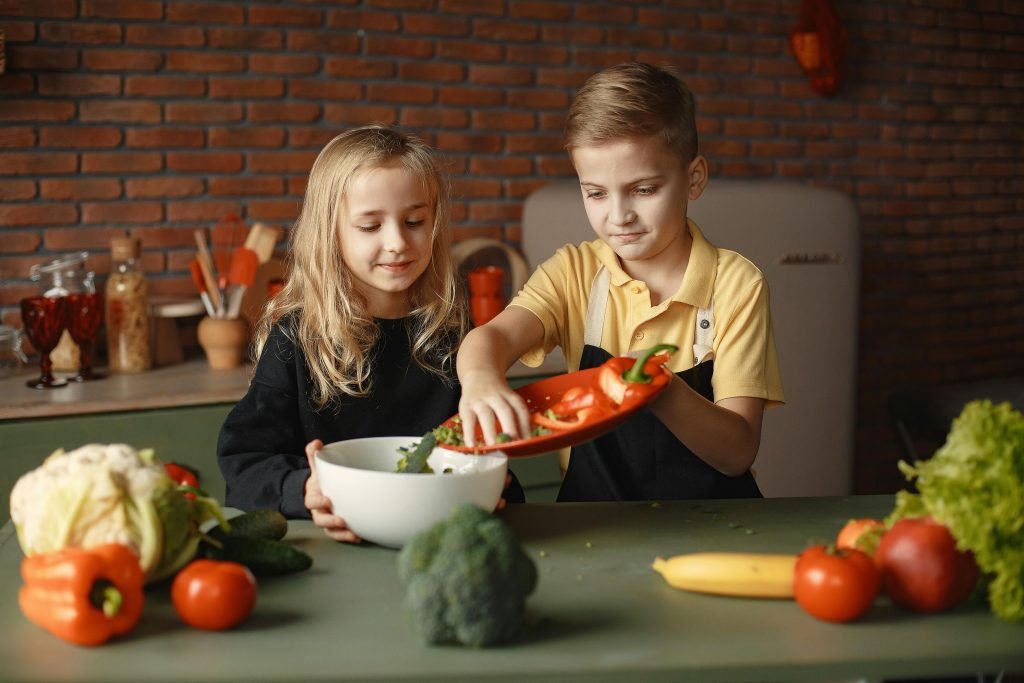
Nutrition during childhood and adolescence is a major concern for parents. Whether in the context of dietary re-education and weight control, or in optimising the performance of young athletes, our approach places great emphasis on speaking the same language as the child/adolescent.
At this age, there is always a lot of tension between parents and children when it comes to food. Whether it is because of insistence on certain foods such as soup/fruit/vegetables, or refusal to give in to children’s demands to take certain supplements, it is important to keep the home environment peaceful and make realistic dietary recommendationswithout the paternalism that often surrounds “healthy eating”.
No one in childhood and adolescence likes the same foods they will like as an adult, and it is necessary to give time for this maturation of taste and reassure parents that they are doing everything in their power to improve their children’s diet.
The method for assessing body composition is exactly the same as for adults, with the measurement of various skinfolds and circumferences, since using only weight and height and the respective percentiles hides many of the changes that occur during growth and puberty.
______
WHAT IS INCLUDED
Nutritional re-education for parents and children for a better nutritional environment at home
Preparation of feeding plans to optimise growth and maturation
Development of dietary plans to improve performance in potential young elite athletes